Preconstruction decisions
Organize scope questions around the decisions that affect cost, schedule or procurement. Assign a responsible person and a due date to each item so unresolved assumptions are visible.
Preconstruction cost and procurement
Organize cost, procurement and scope information for preconstruction decisions and handoffs to the project team.
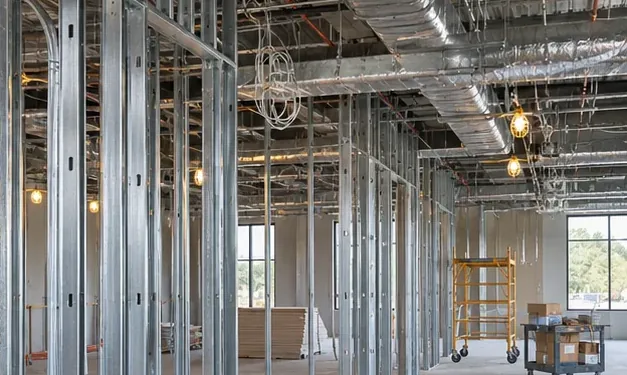
Organize scope questions around the decisions that affect cost, schedule or procurement. Assign a responsible person and a due date to each item so unresolved assumptions are visible.
Flag long-lead items and the bid packages that depend on them. Separate quoted lead times from estimates and identify when information is needed to release a package.
Compare the planned sequence with the estimate’s assumptions for staffing, temporary services and phasing. Record areas that need review before the project moves into construction.
Construction management estimating support for owners and builders who need a cost picture that holds together from the first budget to the last change order. Share the drawings, the schedule and the procurement plan. We can price the work in stages — pre-construction budget, procurement packages and change control — or carry one running estimate that follows the job as decisions are made, with each package shown on its own lines and every change recorded against the budget it affects.
A construction manager does not need one takeoff. A construction manager needs a cost plan that survives contact with the job: a budget set early, packages bought one at a time, substitutions proposed in the middle of procurement, and changes arriving while work is already under way. Each of those moments asks a different question of the estimate, and an estimate that only answers the first one leaves the manager to carry the rest on judgement alone.
The work starts before the drawings are finished. A pre-construction budget built from a partial set tests whether the design fits the money available, while there is still time to change the design. It shows its allowances openly — the scope that is drawn, the scope described only in notes, and the scope not yet decided — so the owner can see which parts of the number are firm and which will move as the drawings develop.
When procurement begins, the job is bought in packages: sitework, structure, envelope, interiors, mechanical, electrical. Each package is priced from the same cost plan and recorded against the budget line it belongs to. A package that comes in under budget and one that comes in over budget are not two separate facts — together they decide whether the job still fits its money, and the estimate shows both in the same place.
The estimate also keeps the scope boundaries between packages visible. The line between the drywall package and the painting package, between the mechanical package and the electrical package, between the sitework package and the landscaping package — each boundary is a place where scope can fall between two trades and go unpriced. A running estimate records who carries each boundary item, so a gap is found in the cost plan rather than discovered on site.
When a change is priced in isolation, its effect on the rest of the job is never recorded. A change that adds a wall is also a change to the paint, the flooring, the electrical and the schedule; a change that moves a door is also a change to the frame, the hardware and the drywall. The estimate prices a change with its knock-on scope shown, so the manager sees the full cost of saying yes.
Each change is recorded against the allowance or contingency it draws from, and the estimate keeps those balances visible, so the owner can see how much room is left before the next change needs new funding.
Check the package boundaries first: every scope item should sit inside exactly one package, with the boundary items named rather than assumed. Then check the allowances — which decisions are still open, what each allowance is based on, and how much of each has already been spent. An allowance shown as a single lump sum for the whole job hides the decisions it is meant to cover.
Finally, read the change log. Which changes have been priced, which are still open, and what each one drew from the allowances and the contingency? Anything the job leaves open should be visible there, so it can be priced, assigned or clarified before the next package is bought.
Send the current drawing set with the procurement plan and the schedule, plus the budget the job is working to. Tell us which packages are already bought and which are still open.
A single takeoff measures the drawings as they stand at one moment. A running estimate carries the same quantities forward through procurement and change control, recording each package price and each change against the budget line it belongs to, so the cost picture stays current as the job moves.
Each boundary item is assigned to one package and recorded in the cost plan, so a scope item that sits between two trades is never carried by neither. When a gap is found, it is shown as an open item with its basis stated rather than being priced silently into one package.
With their knock-on scope shown. A change is priced together with the work it affects in other trades, and recorded against the allowance or contingency it draws from, so the manager sees both the cost of the change and how much room is left afterwards.
Yes. Each allowance is shown with its basis and its remaining balance, and contingency is shown separately, so the owner can see which decisions are still open and how much room the job has left before the next change needs new funding.
Yes. A preliminary budget works from the design as it stands, with allowances shown openly for the decisions that are still open, so an early choice can be tested before the drawings are finished.
An editable estimate spreadsheet and marked-up drawing sheets, on request, so your team can reconcile quantities or transfer the estimate into a bid form.
Use a decision log that identifies scope gaps, the responsible party and the dates needed for a pricing or schedule decision. Separate the estimating and schedule review deliverables from field supervision, permitting and site management responsibilities.
Tell us what you need priced, which drawings govern the bid and when it is due.